Embracing a Post-Literate World: Bookaholic Monday Yap Session
Monday, July 13, 2026
Today, we're diving into an issue that's as heavy as it is critical: the future of reading in our society and the intriguing article from The Atlantic Monthly that kicked off this compelling discussion.
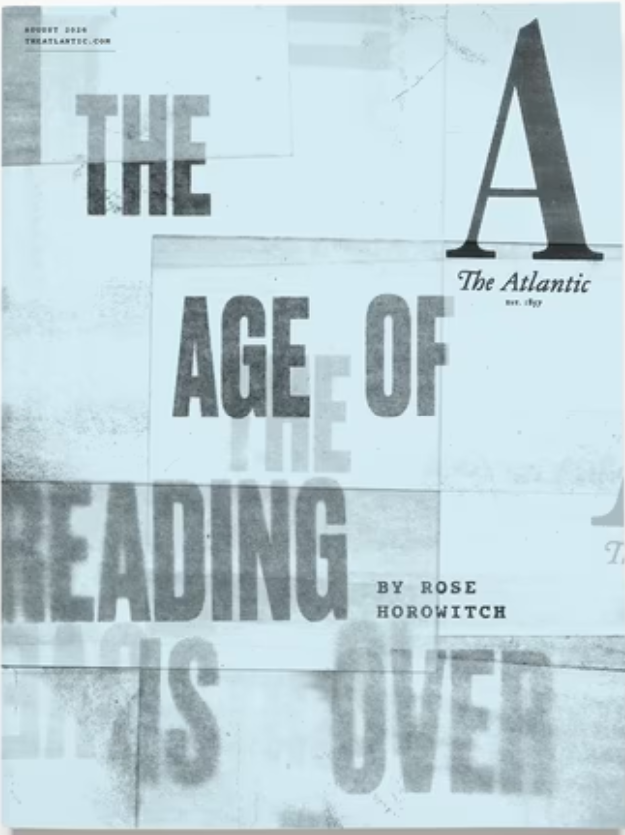
The Atlantic and the Age of Reading
Over this past weekend, I was taken aback by an article from The Atlantic Monthly claiming that the age of reading might be nearing its end. The Atlantic, founded in 1857, is a reputable magazine known for its in-depth journalism and narratives that explore complex topics such as politics, culture, and technology. The article in question, written by staff writer Rose Horowitz, suggests we are entering a "post-literate world."
Understanding Post-Literacy
So, what does it mean to be in a post-literate society? It describes a cultural stage where traditional reading and writing are becoming secondary to other forms of communication, like auditory and interactive media. I acknowledged the variety of platforms like TikTok, YouTube, podcasts, and blogs that tend to dilute our reading habits with their quick, captivating content.
Confronting the Reality
While I initially found the notion shocking, I recognized its relevance. Though many, like myself, are passionate about books and literature, Horowitch's argument about declining book readership is all too real. The decline was noted even among typically avid readers like retirees, women, and college graduates. With the advent of AI and social media, the foundations of our reading culture are undoubtedly shifting.
The Impact on Human Capacity
Horowitch warns that these shifts could impact our capacity for comprehension and individuality, with AI leaning in as a substitute for personal thought processes. Even though I use AI myself, warn against complete reliance on technology for simple tasks, advocating for a balanced, wise use that enhances rather than diminishes our intellectual engagement.
Cultural Implications and the Value of Print
Historically, society has leaned on print as a primary medium for education and sharing knowledge. The shift from printing to screens is undeniable. Despite the allure of digital convenience, I encourage a more intentional engagement with media to maintain depth and authenticity in our interactions.
Conclusion: A Call for Conscious Reading
Although literacy is not at risk, the inclination toward complex, long-form works is waning. I urge all of us to consider the importance of reading for our intellectual and societal growth. As we navigate an increasingly digital landscape, there's hope in communities like BookTok, Bookstagram, and independent authors who champion reading's transformative power.
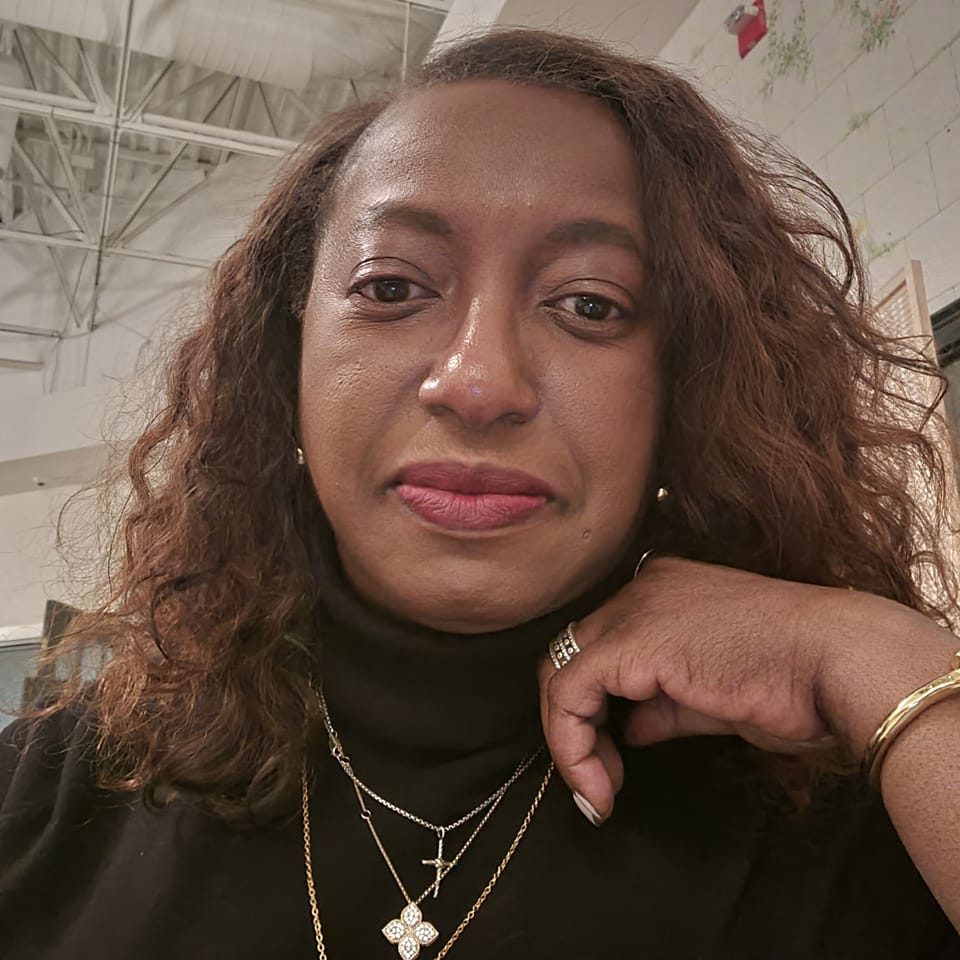
Deirdre is a UNC Tarheel superfan and a proud member of Alpha Kappa Alpha Sorority, Inc., The Links, Incorporated, an associate member, and past regional officer of Jack and Jill of America, and a board member of Friends of the Gaston County Public Library. She is also a community advocate, world traveler, luxury handbag fanatic, wife, and mother of two adult sons.

40% Doubt Audiobooks Aren't Reading; Science and a Podcast Say Yes