Trigger Warnings in Books: 5 Places to Check Before Reading

A content warning, often called a trigger warning, is a short note that flags potentially distressing themes in a book. If you want to prepare for or avoid certain content, the single best move is to check the book’s front matter or search the title plus “content warnings” before you start reading. Even then, no warning can list every possible trigger, so treat it as a starting point rather than a guarantee.
TL;DR:
For newer or independently published books, search the title plus content warnings, scan repeated reader flags, then confirm details in the publisher’s or author’s note.
When a warning is vague, reader reviews can clarify scene intensity; inconsistent tags and missing warnings do not mean sensitive material is absent.
Research links warnings to higher anticipatory anxiety, but not consistently to greater distress during reading; specific labels help readers judge personal relevance.
If a flagged theme feels too close, pause or skip the book; otherwise, check detailed reviews and read when you have privacy and support.
Table of Contents
Where to Find Content Warnings Before You Read
The hardest part of using content warnings well is knowing where to look, since coverage varies wildly from book to book. A few resources tend to work better than others, depending on what you’re reading and how recently it was published.
-
Dedicated warning databases: Several reader-run sites let you search by title or by trigger category, pulling together crowd-sourced flags for violence, abuse, and other sensitive material.
-
Goodreads and review platforms: Reader reviews sometimes mention specific content in passing, but tags are inconsistent and depend entirely on what reviewers chose to flag.
-
Publisher and author front matter: Many authors now include a brief content note on the copyright page or in an author’s note, which is often the most reliable source for the book in question.
-
Author websites: When a book deals with heavy material, authors frequently post a fuller content note on their own site, especially if they kept the in-book note short to avoid spoilers.
-
Library catalogs and bookseller descriptions: Catalog summaries occasionally mention mature themes, and indie bookstore staff picks sometimes include a line about intensity or subject matter.
A workflow that tends to surface the most relevant information, especially for newer or independently published titles, is layered: search “title plus content warning,” skim community reviews for anything flagged repeatedly, then check the publisher or author’s note to confirm. Research on online book-related information grounds points to exactly this kind of layered checking as the most effective way readers find what they need, particularly since newer titles seem to carry more explicit warnings than older ones. If a search turns up nothing, that often means the warning simply hasn’t been added yet, not that the content isn’t there.
Common Content Warning Categories, Explained Simply
Content warnings tend to cluster into a handful of recognizable domains, which makes them easier to scan once you know what you’re looking for. A useful shorthand list includes:
-
Violence: physical harm, war, or graphic combat scenes.
-
Sexual content or sexual violence: anything from explicit scenes to assault.
-
Self-harm or suicide: references, ideation, or depicted attempts.
-
Substance misuse: addiction, overdose, or heavy drug and alcohol use.
-
Child abuse or neglect: harm directed at minors.
-
Death and grief: loss of a loved one, mourning, or terminal illness.
-
Language: slurs, profanity, or offensive terminology.
-
Body horror: graphic descriptions of bodily harm or transformation.
-
Mental health: depictions of depression, psychosis, or disordered eating.
Content warnings often fall into about a dozen recognizable categories across education, media, and publishing, including violence, stigma, risky behaviors, and socio-political content, as compiled in the NEON typology. That review found no single agreed-upon set of terms, which is part of why warnings look so different from one book to the next. The clearest labels name the domain and stay specific without describing the actual scene, something like “content note: sexual violence, substance misuse” rather than a vague “mature themes” tag that tells you almost nothing.
Turning a Warning Into a Reading Decision
A content warning’s job is to give you information and a choice, not to diagnose or dictate how you’ll react. What you do with that information is entirely up to you, and the right answer changes depending on the day, the book, and what’s going on in your life.
A simple checklist can help once you’ve spotted a warning that applies to you:
-
Decide if it’s relevant by checking whether the flagged content connects to something you personally find difficult.
-
Skip the book if the content feels too close right now, and come back to it later if you want.
-
Read reviews for more detail when the warning is vague, since other readers often describe how graphic or prolonged a scene actually is.
-
Choose your setting by reading the flagged section when you have time, privacy, and energy to process it.
-
Line up support ahead of time, whether that’s a friend to text afterward or simply a lighter book queued up next.
Pro Tip: If you’re an author worried about spoilers, put a short content note in the front matter and save the fuller, more specific version for an author’s note at the back or on your website.
This way, readers who want to know going in can check early, and readers who’d rather avoid spoilers can skip straight to the story.
What the Research Actually Says About Warnings
The debate over content warnings often assumes more certainty than the research supports. A consensus statement from the Content Warning Academic Network recommends using the neutral term “content note” instead of “trigger warning,” offering brief notes rather than exhaustive lists, and leaving the decision to individual discretion rather than a rigid policy.
Warnings increase anticipatory anxiety but do not appear to cause widespread avoidance, and many readers describe them as helpful even when they don’t reliably reduce distress.
That summary lines up with experimental findings from Gainsburg and Earl, who found that warnings tend to raise anticipated anxiety and intentions to avoid a text, but don’t consistently increase the distress someone actually experiences once they start reading. Their research also found that how specific the wording is doesn’t reliably change experienced distress, though specificity does help readers judge whether a scene is relevant to their own triggers before they get there.
The practical takeaway: a short, specific content note (naming the domain, not narrating the scene) does what research suggests it can do, which is hand you a choice, not a promise.
How We Approach Content Notes at Bookaholic
We lean toward “content note” over “trigger warning” in our own writing, since it’s the more neutral term and doesn’t imply a clinical diagnosis. When we cover books dealing with grief, anxiety, or depression on the podcast and blog, we try to name the specific themes rather than hiding behind vague labels like “heavy” or “intense.”
If you’re looking for further reading, our post on clinician-recommended books about depression and our anxiety reading list both pair difficult subject matter with context about what to expect. We also talk through mental health in fiction regularly on the podcast, for listeners who want the fuller conversation behind a short label.
How Trigger Warnings Entered Literary Culture
Content warnings didn’t start in publishing. The term “trigger warning” traces back to online forums and support communities in the early 2000s, where posters flagged discussions of trauma for readers with PTSD or related conditions. By the 2010s, the phrase had migrated into college classrooms, where debates over syllabi and “trigger warning” labels became a flashpoint in broader arguments about free speech and student wellbeing.
Publishing came to the conversation later and more quietly. Independent and small presses were early adopters, often adding brief notes to books dealing with abuse, self-harm, or sexual violence, partly in response to reader requests and partly as standard editorial practice for sensitive memoirs. Young adult fiction, which regularly tackles mental health, assault, and identity, became one of the genres where warnings appeared most consistently, often at a publisher’s or author’s own initiative rather than under any industry-wide rule.
The vocabulary has shifted too. “Trigger warning,” with its clinical undertone, has gradually given ground to softer, more neutral phrasing like “content note” or “content advisory,” a shift reflected in the Content Warning Academic Network’s own recommendation. That change mirrors a broader move away from treating warnings as a psychiatric intervention and toward treating them as a simple courtesy, closer to a film rating than a medical disclaimer. The practice remains voluntary and inconsistent across publishers, which is part of why the search for warnings still falls so often to readers themselves.
Where Authors and Publishers Stand
Opinions among authors and publishers remain genuinely mixed, and that disagreement shapes how inconsistently warnings show up across books. Some authors see a short content note as basic consideration for readers, especially when a book handles abuse, suicide, or sexual violence in detail. Others worry that a warning on the cover or copyright page gives away plot turns meant to land as a surprise, or reduces a carefully built scene to a single clinical label.
Editorial guidance aimed at authors tries to split that difference. Editorial practitioners recommend wording that’s specific enough to be useful, something like “content note: sexual violence, domestic abuse,” without narrating the scene itself. For authors most worried about spoilers, that guidance suggests placing a short note in the front matter and a longer, more detailed version in back matter or on an author’s website, so readers who want more can find it without the rest of the audience encountering it unprompted.
The ARC and advance-review process has become another quiet checkpoint. Authors and publicists increasingly flag sensitive content when sending early copies to reviewers and bloggers, partly so reviewers can decide whether to opt out and partly so warnings make it into reviews before publication day. If you review books or want to understand how advance copies typically circulate, our piece on ARC rules for reviewers covers how and when that disclosure usually happens.

How Warnings Shape Conversations Among Readers
Content warnings have become a regular feature of book discussion, not just a label stuck on a cover. Online reading communities now debate which books deserve a warning, how specific a warning should be, and whether certain labels spoil too much of the plot. Those conversations show up constantly in review threads, book club discussions, and social media posts built entirely around a single flagged scene.
That visibility cuts both ways. For readers managing specific triggers, a community that actively discusses and tags content makes a book far easier to approach safely, since crowd-sourced flags often catch things a publisher’s one-line note misses. For other readers, the same conversations can tip into disagreement over whether a warning was necessary at all, or whether discussing it publicly counts as a spoiler.
What the back-and-forth mostly reflects is a community still working out shared norms for a practice that remains voluntary and unevenly applied. There’s no universal standard for which books get warnings or how detailed those warnings should be, so readers fill the gap themselves, through reviews, forum threads, and recommendation lists. That’s part of why layered searching, checking a database, then reviews, then the author’s own note, tends to work better than relying on any single source.

What Authors Can Do When Adding Content Notes
Authors who want to add a content note without overthinking it can lean on a few consistent habits. Naming the domain rather than the scene keeps a note useful without spoiling the plot, so “content note: substance misuse, self-harm” does more work than a vague “mature content” tag.
Placement matters as much as wording. A short note in the front matter serves readers who want to check before they start, while a longer, more specific version in the back matter or on an author’s website serves readers who’d rather avoid spoilers but still want detail if something affects them afterward. Looping in beta readers, sensitivity readers, or editors early, before the ARC stage, gives authors a chance to catch content that might need flagging before reviewers encounter it cold. For authors weighing whether and when to bring in a sensitivity reader, our guide on hiring and vetting sensitivity readers walks through typical costs and what the process actually involves.
Teachers and librarians navigating similar questions around difficult material in the classroom may find useful parallels in trauma-informed teaching approaches, which apply much of the same thinking, flagging content clearly without over-explaining it, to a different setting.
A Personal Note on Reading With Open Eyes
My own rule is simple: I check before I commit, and I let myself change my mind halfway through if a scene lands harder than I expected. Reading is personal, and there’s no wrong way to use a content note, whether that means skipping a book entirely or diving in with a friend on standby.
If you want the longer, messier version of this conversation, we dig into it regularly on the podcast.
How Bookaholic Supports Sensitive Readers
We built our reading lists and episodes with exactly this kind of reader in mind. A few places to start:
-
Our depression reading list pairs difficult subject matter with clinician-recommended context.
-
Our anxiety reading list offers gentler landing points after a heavy book.
-
Podcast episodes on mental health in fiction dig into themes a short content note can’t fully capture.
If our approach to literary conversation resonates with you, visit Bookaholic to browse merchandise and find ways to support the show.
FAQ
What are common trigger warnings in books?
The most common ones cover violence, sexual content or sexual violence, self-harm or suicide, substance misuse, child abuse, death and grief, and mental health themes like depression or disordered eating. A systematic review identified common content-warning domains across sectors including violence, stigma, risky behaviors, and flashing lights.
Which book has the most trigger warnings?
There’s no definitive answer, since warning practices vary so much by publisher and genre that no single tracked list ranks books by warning count. Books dealing densely with trauma, abuse, or war tend to accumulate more flagged categories, but coverage depends entirely on whether a publisher, author, or reader community bothered to tag them.
What is the 5 finger rule for books?
The five finger rule is a reading-level check, not a content warning tool: a reader opens to a random page and counts unfamiliar words, using five or more as a sign the book may be too difficult. It has nothing to do with flagging sensitive themes, which is a separate practice entirely.
What are some examples of trigger warnings?
A clear example reads something like “content note: sexual violence, substance misuse” or “content note: suicide references, domestic abuse.” Editorial guidance recommends naming the specific domain involved, following practices described by editorial practitioners, rather than a vague label like “mature content” that leaves readers guessing.
Sources
-
Typology of content warnings and trigger warnings: Systematic review | PLOS One
-
Trigger warnings: anticipated affect, avoidance, and experienced affect (Gainsburg/Earl 2018)
-
When (And How) To Use Content Warnings In Your Book — Phantom Pen Editorial | Dark Fiction Editor
Recommended
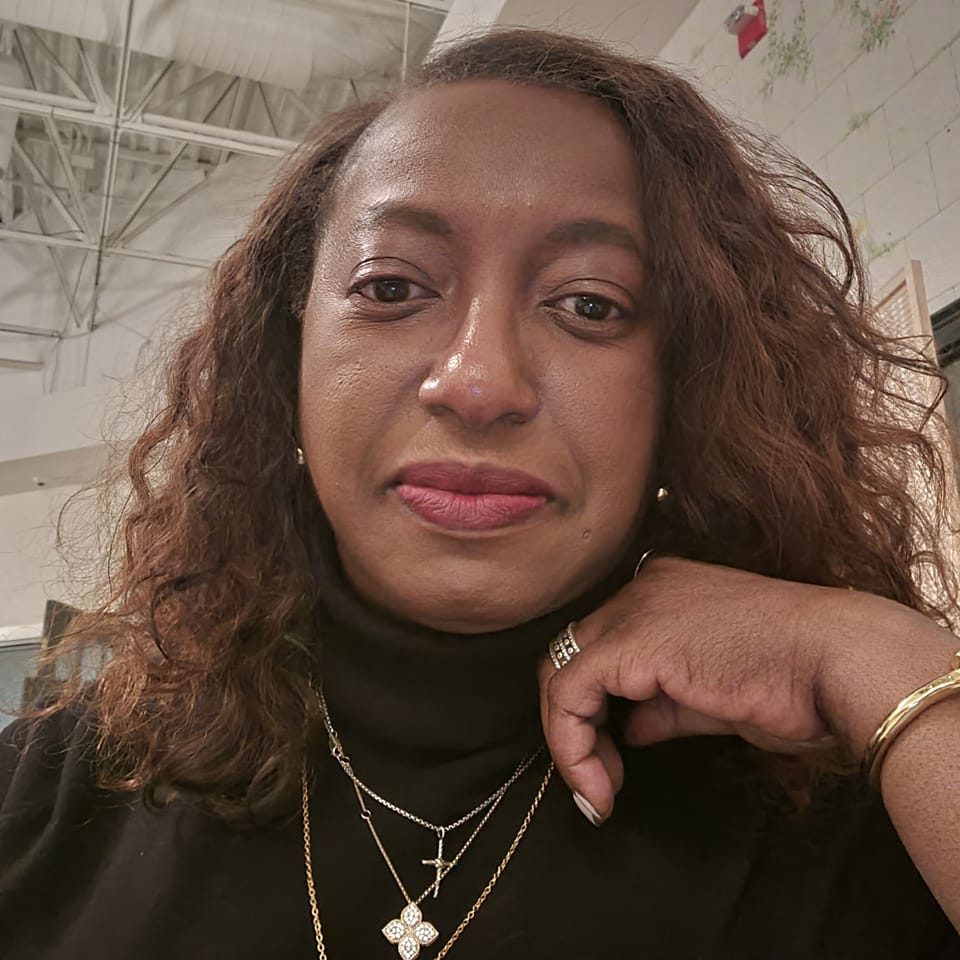
Deirdre is a UNC Tarheel superfan and a proud member of Alpha Kappa Alpha Sorority, Inc., The Links, Incorporated, an associate member, and past regional officer of Jack and Jill of America, and a board member of Friends of the Gaston County Public Library. She is also a community advocate, world traveler, luxury handbag fanatic, wife, and mother of two adult sons.

Find Literary Agents Safely: 5 Checks Before You Query