12 Essential Books About Books Every Bibliophile Should Read
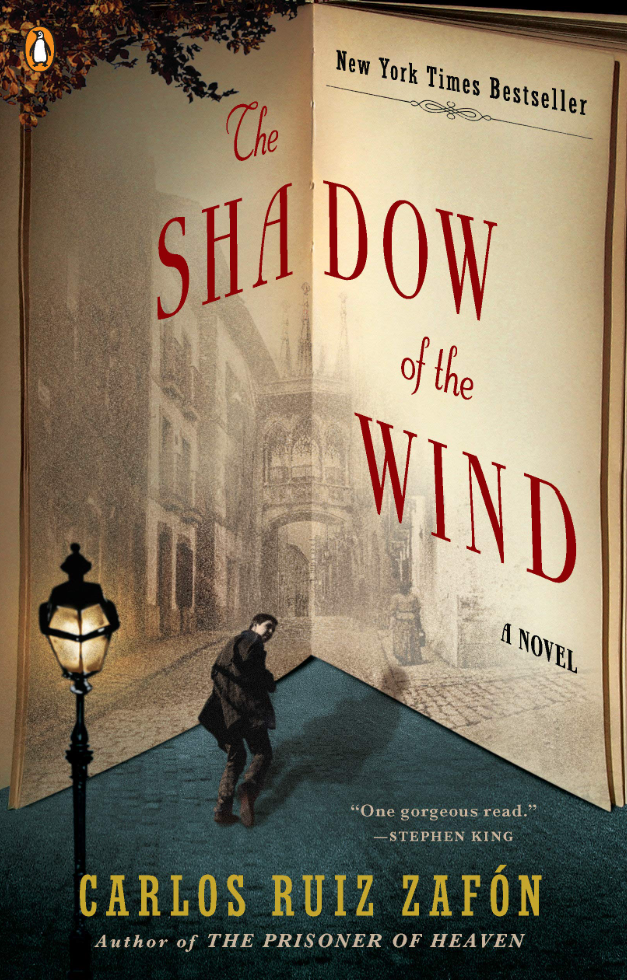

If you love libraries, secondhand bookshops, or novels where reading itself becomes the plot, start with these twelve: The Shadow of the Wind for gothic bookstore atmosphere, Mr. Penumbra’s 24-Hour Bookstore for tech-meets-antiquarian mystery, The Storied Life of A.J. Fikry for grief and bookselling, and Fahrenheit 451 for the stakes of losing books altogether. Pair those with The Midnight Library if you want philosophical what-ifs, or How to Read a Book if you’d rather sharpen your own reading instead of reading about someone else’s.
TL;DR:
- Selecting a “book about books” should be guided by mood, as cozy options like A.J. Fikry suit comfort seekers, while darker titles like Fahrenheit 451 appeal to the inquisitive.
- Genre subthemes matter: bookstore novels often explore community and loss, library stories emphasize secrets and permanence, and metafiction focuses on self-referential plots and book structures.
- The physical format is crucial, as titles like S. lose impact digitally, whereas 84, Charing Cross Road works well as an audiobook, influencing how you should choose your next read.
- For deeper understanding, choose nonfiction based on your goal: Adler’s technique for skills, Manguel’s history for context, Borsuk’s design focus, or a modern guide for distraction management.
- Reading samples or listening to the first minutes helps to assess tone and avoid mismatching mood and subtheme before committing to a book.
Table of Contents
- What Are the Best Books About Books?
- Books About Books, Sorted by Subtheme
- Nonfiction That Deepens Your Appreciation of Books
- Which Book About Books Fits Your Mood Right Now?
- How to Pick Your Next Book About Books
- Host Picks From The Bookaholic Podcast
- An Editorial Take on the “Books About Books” Genre
- Sources
What Are the Best Books About Books?
The category of books about books covers a lot more ground than most “if you love reading” lists let on. It spans gothic thrillers set in crumbling bookshops, memoirs about book theft, dense nonfiction on the history of the printed page, and metafiction that turns the act of reading into the plot itself. Readers have shelved more than 29,000 titles under the “books about books” tag on Goodreads, with Carlos Ruiz Zafón’s The Shadow of the Wind showing up again and again as a gateway title. That breadth is the point: this isn’t a niche shelf, it’s a genre with real range.
Here are twelve titles that earn a permanent spot on that shelf, plus who each one is really for.
- The Shadow of the Wind (Carlos Ruiz Zafón). A boy in postwar Barcelona finds a mysterious novel and gets pulled into a decades-old conspiracy involving its vanished author. This is the gothic, atmospheric end of the genre. Perfect for readers who want bookstore romanticism with real teeth: mystery, doomed love, fascism-era stakes.
- Mr. Penumbra’s 24-Hour Bookstore (Robin Sloan). A laid-off web designer takes a night job at a strange San Francisco bookstore and stumbles into a centuries-old secret society obsessed with a cryptic text. Great for readers who like their bibliophilia with a Silicon Valley pulse and puzzle-box plotting.
- The Storied Life of A.J. Fikry (Gabrielle Zevin). A grieving, cynical bookstore owner on a fictional island has his life upended when an abandoned toddler shows up on his shop floor. This is warm, unabashedly sentimental fiction. Ideal for readers who want bookselling life examined through loss and unlikely family.
- Fahrenheit 451 (Ray Bradbury). A fireman whose job is burning books starts questioning why his society fears them. The genre’s foundational cautionary tale, and still the sharpest answer to “why do books matter” that fiction has produced.
- How to Read a Book (Mortimer J. Adler). Not a novel at all, but a rigorous, classic guide to reading with intention rather than passively. Fits here because it changes how you read every other title on this list. Best for readers who want technique, not just recommendations.
- The Book (Amaranth Borsuk). A compact, idea-dense look at what a “book” even is: object, content, interface, all at once. Suits readers who want to think about book design and form, not just story.
- A History of Reading (Alberto Manguel). A sweeping cultural history of reading across six thousand years, from ancient scrolls to modern obsession. Best for readers who want context for why bibliophilia exists at all.
- The Midnight Library (Matt Haig). A woman suicidal and adrift finds a library between life and death where every book lets her live a different version of her life. This is the philosophical, high-concept entry. Fits readers drawn to “the library as multiverse” rather than “the library as building.”
- The Man Who Loved Books Too Much (Allison Hoover Bartlett). A true-crime account of a real rare-book thief and the obsessive collector-detective who chased him. The best pick here for readers who want nonfiction with a plot as twisty as any thriller.
- The Name of the Rose (Umberto Eco). A medieval murder mystery unfolds inside a monastery library where a forbidden book may be the motive. Dense, philosophical, and rewarding for readers who want their bookish fiction intellectually demanding.
- 84, Charing Cross Road (Helene Hanff). A slim, real correspondence between a New York writer and a London bookshop, spanning twenty years. The best short read on this list, and arguably the most quietly moving.
- Ex Libris: Confessions of a Common Reader (Anne Fadiman). A collection of essays on the eccentric habits of serious readers, from book-splitting to alphabetizing arguments. Best for readers who want to laugh at their own bibliophile tendencies in print.
Books About Books, Sorted by Subtheme
Not every “book about books” scratches the same itch. Some are about a place (the shop, the stacks), some are about the mechanics of writing, and some fold in on themselves until the book you’re holding becomes a character. Sorting by subtheme gets you to the right shelf faster than a flat, undifferentiated list ever will.
Bookstore novels
These use a shop as the emotional center of the story, and the setting functions almost like a character in its own right, a dynamic editorial lists at outlets like Literary Hub return to again and again.
- The Storied Life of A.J. Fikry for the grief-and-community arc.
- Mr. Penumbra’s 24-Hour Bookstore for tech-mystery hybrid energy.
- The Bookshop by Penelope Fitzgerald for a quieter, more melancholy small-town take.
- 84, Charing Cross Road for real correspondence instead of invented plot.
Independent booksellers and curated lists on Bookshop treat this subtheme as one of the most consistently requested categories in the genre, and it’s easy to see why: a bookshop gives a novelist built-in stakes (will it survive?) without much narrative machinery.
Library novels
Libraries carry a different emotional register than shops. There’s less commerce, more permanence, and often a sense of the building holding secrets.
- The Midnight Library for the library-as-portal concept.
- The Name of the Rose for the library-as-crime-scene version.
- The Library Book by Susan Orlean for nonfiction that treats a real library (and a real fire) as a mystery worth solving.
Metafiction and books-within-books
This is the trickiest subtheme and the one most likely to reward a second read. The book you’re holding comments on itself, or another fictional book bleeds into the “real” plot.
- If on a Winter’s Night a Traveler by Italo Calvino, which structures itself as ten different opening chapters you never finish.
- The Shadow of the Wind, where the missing novel-within-the-novel drives the entire plot.
- S. by Doug Dorst and J.J. Abrams, a physical object designed to look like a used library book covered in two readers’ handwritten marginalia. If you want to notice a book’s form as much as its content, an idea Amaranth Borsuk’s The Book argues for directly, this is the title to buy in print, never on a screen.
Publishing and author-life stories
These pull back the curtain on the writing and publishing world itself: agents, deadlines, rivalries, the loneliness of drafting.
- Trust Exercise by Susan Choi for an unreliable, structurally daring look at a writing-adjacent world.
- Yellowface by R.F. Kuang, a recent, sharply satirical addition to this subtheme that’s become a common recommendation on newer roundups.
- Bird by Bird by Anne Lamott, nonfiction, but essential for anyone curious about what writing actually feels like day to day.
For format: bookstore and library novels tend to work well as audiobooks (the pacing is usually gentle), while metafiction like S. or If on a Winter’s Night a Traveler demands a physical copy. The typography and marginalia are part of the reading experience, not decoration.
Nonfiction That Deepens Your Appreciation of Books
Fiction about books is fun. Nonfiction about books is where you actually get better at reading, understanding book history, or thinking about what a book even is. Four titles do that work better than almost anything else in print.
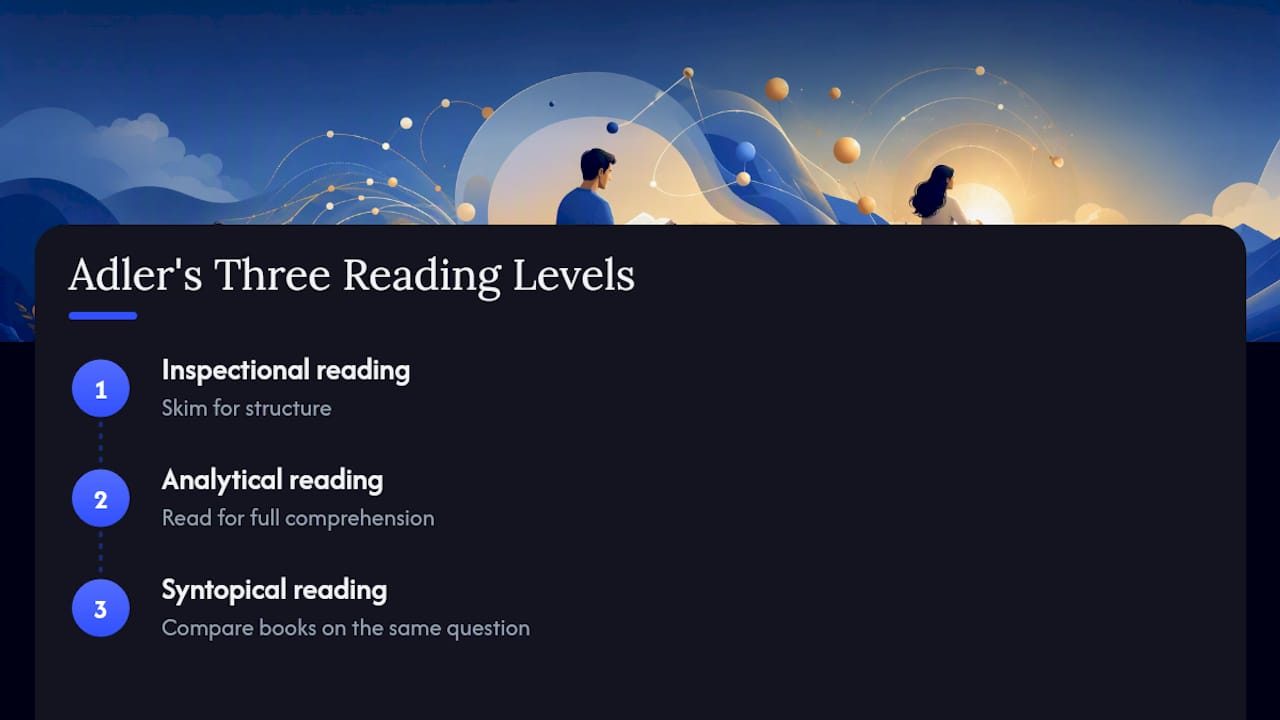
How to Read a Book (Mortimer J. Adler) is the classic, and it’s still the most practical entry point. Adler’s system breaks reading into inspectional, analytical, and syntopical levels, essentially skimming for structure, reading for full comprehension, and reading multiple books against each other on the same question. It’s dense and occasionally dated in tone, but the framework still underpins how most reading-skills guides are built decades later. Best for students, teachers, or anyone who suspects they’re reading passively and wants a fix.
A History of Reading (Alberto Manguel) takes the opposite approach: less “how,” more “why has this obsession existed for six thousand years.” Manguel traces reading as an act of seduction, rebellion, and sometimes danger, across scrolls, codices, and censorship regimes. Best for readers who want historical weight behind their bibliophilia rather than a study technique.
The Book (Amaranth Borsuk) asks a deceptively simple question: what actually is a book? Borsuk treats it as object, content, idea, and interface simultaneously, and pushes back against the lazy print-versus-digital framing that dominates most conversations about reading’s future. It rewards readers who want to think about typography, binding, and design as part of the reading experience, not separate from it.
How to Read: A Twenty-First-Century Guide picks up where Adler left off but for a reader who’s fighting a phone notification every four minutes. Modern reading guides like this one build in explicit sections on managing distraction and navigating AI tools, something a book written decades ago obviously couldn’t anticipate. Best for students and anyone who’s noticed their attention span shrinking and wants a structured way to rebuild it.
If you only have room for one nonfiction pick, match it to your goal: Adler for technique, Manguel for context, Borsuk for theory, Broadview’s guide for a digital-age reset.
Which Book About Books Fits Your Mood Right Now?
Sometimes the right pick has less to do with subtheme and more to do with what kind of night you’re having. Here’s a fast match by mood.
- Cozy and comforting: The Storied Life of A.J. Fikry, 84, Charing Cross Road, The Bookshop. If you liked Fikry’s warmth, try 84, Charing Cross Road next for something shorter and just as tender.
- Investigative and twisty: The Man Who Loved Books Too Much, The Name of the Rose, Mr. Penumbra’s 24-Hour Bookstore. If you liked the true-crime pull of The Man Who Loved Books Too Much, try The Name of the Rose for fiction with the same detective energy.
- Nostalgic and elegiac: The Shadow of the Wind, Ex Libris, The Library Book. If you liked the Barcelona atmosphere in Shadow of the Wind, try The Library Book for a real-world echo of that same loss and obsession.
- Philosophical and heavy: The Midnight Library, If on a Winter’s Night a Traveler, Fahrenheit 451. If you liked the multiverse premise of The Midnight Library, try Fahrenheit 451 for a bleaker, more political version of “what if books disappeared.”
- Instructional and skill-building: How to Read a Book, How to Read: A Twenty-First-Century Guide, A History of Reading. If you liked Adler’s structured approach, follow it with the Broadview guide for the distraction-era update Adler never had to consider.
Framing recommendations by mood instead of by category is deliberate. It’s the fastest way to turn a long list into an actual next read tonight.
How to Pick Your Next Book About Books
Five filters turn a crowded shelf into one clear choice.
- Tone: Do you want comfort or menace? A.J. Fikry comforts. The Shadow of the Wind unsettles.
- Setting: Shop, library, or no fixed place at all? A library novel like The Midnight Library plays with structure differently than a bookstore novel ever could.
- Narrator focus: Is the story about a reader, a writer, or a book itself? S. makes the book the narrator, almost literally.
- Fiction vs. nonfiction: Want technique and history, or plot and character? Adler and Manguel teach. Zafón and Sloan entertain.
- Format: Some titles depend on physical design. S. loses most of its power as an ebook; 84, Charing Cross Road works fine on audio.
Watch for a mismatch red flag: picking a dense metafiction title like If on a Winter’s Night a Traveler when what you actually wanted was cozy bookstore comfort. That mismatch is the single most common reason people abandon a “books about books” recommendation halfway through.
Pro Tip: Before committing, read the first chapter as a library ebook sample or listen to the audiobook’s opening ten minutes. Tone reveals itself fast, usually within the first few pages, and it’s the filter most readers get wrong when picking blind off a list.
Host Picks From The Bookaholic Podcast
Deirdre, who hosts The Bookaholic Podcast, has spent years talking to authors and readers about exactly this category, and a few titles keep resurfacing in those conversations. The Shadow of the Wind comes up constantly as the book that converts casual readers into obsessive ones. Ex Libris gets mentioned by guests who want permission to admit their own weird reading habits out loud. The Midnight Library draws a strong response from listeners working through mental health themes, a recurring thread in the podcast’s author interviews.
How to Read a Book isn’t flashy, but Deirdre keeps returning to it as the one nonfiction pick worth pushing on new listeners who say they “used to read more.” It’s less about the book itself and more about rebuilding the habit Adler’s framework is built to protect. For full conversations on these titles and more author interviews, visit the Book-a-holic podcast hub for episode links and the latest book news.
An Editorial Take on the “Books About Books” Genre
Most roundups of this genre make the same mistake: they treat every title as interchangeable, one long list of “if you like books, you’ll like books about books,” with no distinction between a gothic thriller and a reading-technique manual. That flattens a genre that actually spans wildly different reading experiences and moods.
What the research behind this list makes clear is that grouping by subtheme and mood does more for a reader than sheer volume ever could. Twelve well-sorted titles beat forty undifferentiated ones. The conventional advice, “here are 50 books about books,” assumes readers want breadth. Most don’t. They want the right book for tonight.
If there’s one thing to prioritize, it’s matching tone before subtheme. A reader craving comfort who picks up The Name of the Rose because it’s “about a library” will likely bounce off it. Start with mood, then narrow by category. That order gets you to a book you’ll actually finish.
— Deirdre
Sources
- MIT Press — The Book (Amaranth Borsuk)
- Penguin Random House — A History of Reading (Alberto Manguel)
- Simon & Schuster — How to Read a Book (Mortimer J. Adler)
Recommended

40% Doubt Audiobooks Aren't Reading; Science and a Podcast Say Yes